





When you hear the words “your dog has liver cancer,” most pet parents stop hearing everything that comes next. You may remember a few phrases. A mass on the liver. More testing. Surgery might help. We need to talk about prognosis. Then the drive home feels quiet and unreal.
That reaction is normal. Liver cancer in dogs life expectancy can vary widely, and that’s exactly why the first number you hear rarely tells the whole story. Two dogs can both have “liver cancer” and face very different paths, depending on where the tumor started, whether it can be removed, and how the dog feels day to day.
What helps most right now is getting specific. Ask what type of tumor your dog has, whether it appears confined or spread, and what the goal of care is: cure, control, or comfort. If you need a plain-language starting point for common questions, the dog cancer FAQ library can help you organize what to ask next.
Receiving a Liver Cancer Diagnosis
A liver cancer diagnosis often lands in the middle of an ordinary day. Your dog may have gone in for vomiting, reduced appetite, a swollen belly, or bloodwork that didn’t look right. Then suddenly you’re making decisions about scans, surgery, oncology visits, and quality of life.
It’s common to desire one immediate answer. “How long does my dog have?” It’s an understandable question, but it’s usually too broad at first. A more useful question is, “What kind of liver cancer is this, and what does that mean for my dog’s comfort and options right now?”
What pet owners often need first
The first task isn’t choosing everything at once. It’s separating the diagnosis into manageable pieces.
- Type of tumor: Is this a primary liver tumor that started in the liver, or a metastatic tumor that spread there from somewhere else?
- Resectability: Can a surgeon remove it safely, or is it in a pattern that makes surgery unlikely to help?
- Current quality of life: Is your dog eating, resting comfortably, and still engaging with family?
Those questions shape the road ahead far more than a single survival estimate.
First step: Ask your veterinarian to write down the tumor type, whether spread is suspected, and the treatment goal in one sentence each. That written summary makes it much easier to think clearly later.
Why the next decisions feel so hard
Liver tumors are confusing because the same organ can hold problems with very different meanings. Some masses are incidental and don’t shorten a dog’s life in a meaningful way. Some malignant tumors can still be treated effectively if they’re found early and are removable. Others are aggressive or too widespread for surgery, and then the focus shifts to comfort.
That range is why fear can make everything sound worse than it is, or sometimes less urgent than it is. The right balance is clear-eyed hope. Hope doesn’t mean pretending the diagnosis is small. It means making decisions that fit your dog’s actual disease and actual life.
Understanding Different Types of Dog Liver Cancer
A liver cancer diagnosis becomes easier to handle once you know what kind of problem you are dealing with. The word "liver cancer" can describe several very different diseases, and they do not lead to the same choices at home or in the clinic.

The first split is simple. A primary liver tumor started in the liver itself. A metastatic liver tumor started somewhere else and then spread to the liver. That sounds like a technical detail, but it changes the whole conversation. One localized tumor may allow surgery with real long-term control. Cancer that has already spread usually calls for a wider plan that weighs treatment burden against comfort and daily function.
If you want a wider frame for where liver tumors fit among other diagnoses, this guide to different types of cancer in dogs can help.
Primary liver tumors
The primary liver cancer veterinarians see most often is hepatocellular carcinoma, or HCC. HCC does not always grow in the same pattern, and that pattern matters as much as the name.
A massive HCC is usually one dominant mass, often limited to a single liver lobe. This is the form that can sometimes be removed surgically, and it often carries the most hopeful outlook if staging shows the disease is confined. Early reports summarized earlier in this article found that some dogs lived for years after successful surgery.
A nodular or diffuse pattern is different. Instead of one main mass, the cancer appears as multiple nodules or more widespread involvement through the liver. In practical terms, this often means surgery is less likely to help. For many families, the focus shifts from "Can we remove it?" to "How can we protect appetite, comfort, energy, and time at home?"
That shift matters. Owners often hear the same diagnosis label, HCC, and assume the prognosis should be the same in every dog. It is not. A single removable mass and a liver with cancer scattered through it behave like different diseases.
Metastatic liver tumors
Metastatic liver cancer means the liver is one part of a bigger cancer picture. The original tumor may have started in the spleen, mammary tissue, pancreas, intestine, or another organ. Once cancer has shown it can travel, treatment planning usually becomes less about the liver alone and more about the dog's whole-body disease burden.
Many survival statistics are difficult to apply specifically to your dog. Two dogs may both have tumor cells in the liver, yet one has a slow-growing cancer from another site and the other has an aggressive cancer spreading quickly. The liver finding looks similar on paper, but the day-to-day outlook can be very different.
For owners, the practical question is often: Are we treating one main problem, or are we managing cancer in several places at once? That answer helps you judge how much testing and treatment is likely to improve your dog's actual life, not just add more appointments.
Benign and rare tumors
Some liver masses are benign, incidental, or slow growing enough that they do not shorten a dog's life in a meaningful way. Others are rare malignant tumors with a much more guarded outlook.
This is why the phrase "liver mass" is only a starting point. It is like hearing that something is wrong with a house but not yet knowing whether it is a scratched wall, a leaking pipe, or a cracked foundation. The next step is classification.
What these categories mean for daily decisions
The tumor type does more than predict survival. It helps you decide what matters this week.
A dog with a single liver mass that appears removable may benefit from a surgical consult soon, even if they seem comfortable right now. A dog with diffuse liver involvement or metastatic disease may benefit more from symptom control, anti-nausea support, pain relief, appetite support, and a home routine that protects strength and enjoyment.
Neither path is "giving up." Both are forms of care. The goal is to match the plan to the biology of the disease and to your dog's lived experience.
Typical life expectancy by liver tumor type
| Tumor Type | Typical Treatment | Estimated Median Survival Time |
|---|---|---|
| Massive HCC, resectable | Surgical lobectomy | Long-term survival can be possible in selected dogs after successful surgery |
| All HCC subtypes combined | Varies by case, often surgery if possible | Outlook varies widely because studies include different tumor patterns and case selections |
| Inoperable nodular or diffuse malignant liver tumors | Chemotherapy or palliative care | Often shorter than for solitary resectable tumors |
| Primary liver tumors in one clinic population after surgery | Lobectomy alone or with local destruction | Surgical outcomes vary by tumor type, extent, and patient health |
| Breast cancer metastases to liver in tracked dogs | Surgery in selected cases | Depends heavily on the original cancer type and extent of spread |
| Benign or incidental liver tumors | Monitoring or surgery if needed | Often excellent if the mass is not behaving aggressively |
A practical example
If your veterinarian says, "This looks like one large mass in one lobe," that usually leads to a surgery-focused conversation. If they say, "There are multiple nodules," or "We are concerned this spread from somewhere else," the better question may be how to keep your dog comfortable, eating, sleeping, and engaged with family for as long as possible.
Ask this directly: "Does this look like a localized liver tumor, or part of a more widespread cancer problem?"
That one question often turns a frightening diagnosis into a clearer plan.
Key Factors That Influence Prognosis
Many families hear a survival estimate and feel as if the path is already decided. In practice, prognosis works more like a weather forecast than a stopwatch. It helps you prepare, but it does not tell you exactly what tomorrow will look like for your dog.
What shapes prognosis most is a combination of tumor behavior, how well the liver is still doing its job, and how much physical reserve your dog has right now. Those details matter because they guide day-to-day decisions. Is your dog likely to tolerate surgery? Do you need to act quickly to prevent a crisis? Is the best plan centered on comfort, appetite, and good days at home?
Tumor size and spread
Size matters, but size alone is not the whole story. A large mass can crowd nearby structures, raise the risk of bleeding, or leave less healthy liver tissue available to keep working. A smaller cancer that has spread to several places can still carry a worse outlook than one larger mass that stays confined to one area.
Location and spread often matter more than owners expect. A tumor limited to one liver lobe may leave room for a more aggressive treatment plan. Multiple nodules, visible spread to other organs, or fluid in the abdomen usually change the conversation toward disease control or comfort care.
This is why staging is so useful. If your veterinarian mentions staging tests, this guide to cancer staging in dogs can make the report easier to read and the next appointment more productive.
Bloodwork and liver function
Bloodwork tells you how the liver is coping under stress. It does not always identify the exact tumor type, but it can show whether the liver is inflamed, obstructed, struggling to process waste, or still compensating fairly well.
That distinction matters in daily life. A dog with a liver mass and only mild lab changes may still have more options and more time to recover from treatment. A dog with sharply abnormal liver values, jaundice, poor clotting, low blood sugar, or a declining albumin level often needs a more cautious plan because the liver has less reserve.
In other words, the cancer matters, and the organ carrying the cancer matters too.
The dog in front of you matters
Two dogs can have similar scan reports and very different prognoses. One still wants breakfast, walks to the door, sleeps comfortably, and rebounds well after procedures. The other has weight loss, weakness, arthritis pain, kidney disease, or little interest in food. Those differences affect both life expectancy and quality of life.
Age by itself should not make the decision for you. Functional age is often more helpful than calendar age. An older dog with good mobility, interest in family life, and stable organ function may be a better treatment candidate than a younger dog with several serious health problems.
This is the part owners can observe best at home. Keep track of appetite, energy, sleep, bathroom habits, belly size, breathing, and interest in normal routines. Those signs often reveal whether your dog is holding steady, slipping, or telling you the current plan needs to change.
Bring this to your appointment: Ask your veterinarian to name the three factors that matter most in your dog's case right now. Common examples are extent of spread, liver function, and your dog's current strength and comfort at home.
Questions that make the report more useful
You do not need to master pathology terms to make good decisions. You need a clear picture of what will affect your dog's next few weeks and months.
- About the cancer: Does this look localized, or are there signs it is more widespread?
- About the liver: Are the bloodwork changes mild, moderate, or severe, and what do they mean for daily function?
- About your dog: Is my dog strong enough for treatment, and what problems are most likely to affect comfort soon?
- About practical planning: What should I watch for at home that would mean we need to call quickly or reconsider our goals?
Those questions turn prognosis from a frightening number into a care plan you can use.
Evaluating Treatment Options and Their Goals
A treatment plan is easier to judge when you start with one plain question: what is this plan trying to accomplish for my dog today, and over the next few weeks or months?
For dogs with liver cancer, the goal usually falls into one of three categories. Remove a tumor that can be taken out safely. Slow or control cancer that cannot be fully removed. Support comfort and daily function when the burden of treatment would outweigh the likely benefit. Some dogs stay in one lane. Others change lanes as the disease or the dog’s needs change.

Surgery when the tumor is removable
When a liver tumor appears confined to one area and a surgeon believes it can be removed cleanly, surgery often offers the best chance for meaningful long-term control. The liver has an unusual ability to recover after part of it is removed, which is one reason some dogs can do surprisingly well after a very serious diagnosis.
That hopeful part can also confuse families. A dog may have a dangerous cancer and still have a good outcome after surgery, but the good outcome depends on more than the operation itself. The Carolina Veterinary Specialists discussion of dog liver cancer describes this tension directly. Some dogs benefit greatly from surgery because the liver can regenerate, yet that benefit depends on careful recovery, follow-up, and monitoring rather than surgery alone.
In other words, surgery is not just a date on the calendar. It is a treatment path with a recovery phase that needs the same attention as the procedure.
What post-operative care should include
Many owners hear that the liver can regenerate and assume healing will mostly take care of itself. Recovery is usually more hands-on than that, especially during the first days and weeks.
Ask your veterinary team for a written discharge plan detailing these points clearly:
- Food and hydration: What should your dog eat at first, how much is realistic, and what changes would suggest nausea or poor recovery?
- Activity limits: How much walking is allowed, when stairs are okay, and what play or jumping should wait?
- Medications: What each drug is for, when to give it, and which side effects mean you should call.
- Recheck schedule: When bloodwork, imaging, or incision checks are expected.
- Home warning signs: Vomiting, pale gums, belly swelling, worsening pain, refusal to eat, weakness, or trouble breathing.
Before you leave the hospital, ask: “If recovery is going well, what should I expect to see by day two, day seven, and day fourteen?”
That question helps because recovery is rarely perfectly smooth. A dog who eats a little less on the first night may still be recovering normally. A dog who stops eating, becomes much quieter, seems painful, or develops a swollen abdomen needs prompt reassessment.
Chemotherapy and other cancer-directed care
Chemotherapy is usually considered when surgery is not possible, when cancer has spread, or when the pathology suggests a higher risk that surgery alone will not control the disease. The goal here is usually control, not cure.
That difference matters in day-to-day decision-making. If treatment is likely to shrink symptoms, improve appetite, reduce discomfort, or add more good weeks or months, it may be a reasonable choice. If it is unlikely to change how your dog feels and is likely to require frequent stressful visits, many families decide the tradeoff is not worth it.
The "what now" question becomes more useful than survival statistics alone. A treatment can be medically appropriate and still be the wrong fit for a dog who becomes distressed by repeated hospital trips, struggles with side effects, or has other major illnesses. A less aggressive plan can also be a thoughtful, medically sound decision when it protects comfort and preserves normal routines.
Ask your oncologist to explain benefit in practical terms. Will this treatment help my dog feel better, help my dog stay stable longer, or mainly give us more information? Those are very different goals.
Palliative care and hospice-minded support
Palliative care is active treatment focused on comfort and function. It may include anti-nausea medication, pain relief, appetite support, fluid planning, easier access to food and water, home adjustments, and fewer stressful disruptions to your dog’s routine. If you want a clearer picture of what that can look like at home, this guide to palliative care for dogs with cancer can help.
For some dogs, palliative care is the main plan from the start. For others, it is added alongside surgery or medical therapy to keep the dog eating, resting, and enjoying family life as much as possible.
That is why treatment goals should never be framed as only “fight the cancer” or “give up.” A comfort-focused plan still includes observation, medication changes, follow-up, and careful support. It is still treatment. The target is your dog’s lived experience.
A side-by-side view of the options
| Care path | Main goal | Best fit for | Daily-life focus |
|---|---|---|---|
| Surgery | Remove tumor and aim for long control | Localized, removable disease | Recovery at home, eating, incision healing, rechecks, watching for complications |
| Cancer-directed medical therapy | Slow progression or reduce tumor burden | Inoperable, metastatic, or more complex disease | Tolerance of treatment, travel stress, appetite, energy, symptom control |
| Palliative care | Maintain comfort and function | Advanced disease, fragile dogs, or comfort-first goals | Pain control, nausea relief, sleep, mobility, hydration, familiar routines |
How to choose without feeling trapped
The best option is the one that matches the biology of the cancer and the reality of your dog’s life.
A scan may say a tumor is operable. Your dog may still be a poor candidate if recovery would be hard on the heart, kidneys, mobility, or temperament. A dog with more advanced disease may still benefit from treatment if that treatment is likely to relieve symptoms and preserve enjoyable time at home.
Try to leave the appointment with one sentence you can repeat to yourself: “Our goal is to remove the tumor,” or “Our goal is to keep him comfortable and eating well for as long as possible,” or “Our goal is to slow the cancer while protecting her quality of life.”
That sentence gives the medical plan a purpose. It also gives you a way to judge, week by week, whether the plan is still serving your dog well.
How to Prioritize Your Dog's Quality of Life
Life expectancy matters. But if you’re living this diagnosis every day, the question quickly becomes, “What will those days feel like for my dog?” That’s the question that should guide the plan.

Quality of life isn’t a soft, secondary issue. It’s the center of good cancer care. A dog doesn’t measure success by the number of calendar days gained. Your dog measures life by comfort, appetite, ease of movement, sleep, connection, and the ability to enjoy familiar pleasures.
Use your dog’s normal joys as your compass
You know your dog’s version of a good day. For one dog, it’s carrying a toy from room to room. For another, it’s waiting at the door for a walk, stealing a place on the couch, or barking when dinner is late.
Those ordinary behaviors become your best quality-of-life markers. If your Golden Retriever normally lives for a daily fetch session but hasn’t shown interest in it for days, that may tell you more than a single lab value. If your quiet senior dog still seeks you out, enjoys meals, and settles comfortably at night, that’s meaningful.
What to track at home
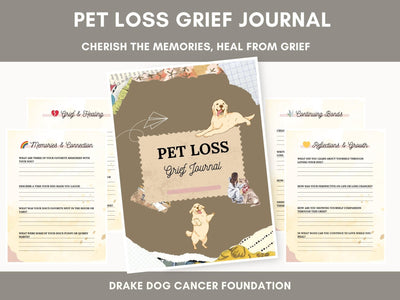
A simple journal often helps more than memory alone. Families tend to remember the hardest moments most vividly, which can make it difficult to judge the overall pattern.
Try tracking these each day:
- Appetite: Did your dog eat willingly, need encouragement, or refuse food?
- Comfort: Was there panting, restlessness, hiding, belly tension, or trouble getting settled?
- Energy and engagement: Did your dog greet you, follow you, ask for attention, or enjoy a favorite activity?
- Physical function: Could your dog walk outside, rest comfortably, and manage normal routines?
If you want extra support for comfort-focused decision-making, this article on palliative care for dogs with cancer can help you think through what hospice-minded care looks like at home.
Don’t ask only, “Is my dog alive?” Ask, “Is my dog still having dog moments?”
How to respond to decline
Quality-of-life tracking is useful only if it changes what you do. If appetite drops, ask about nausea control. If stairs become hard, move essentials to one level of the home. If your dog slips on the floor, add rugs or yoga mats. If nights become restless, tell your veterinarian. Small practical changes can make a big difference.
A good example is the dog who still wants to be with the family but no longer wants long walks. That dog may not need less love. That dog may need shorter outings, a padded rest area, easier meal access, and symptom relief. Quality care is often less about dramatic measures and more about reducing daily friction.
When quality of life becomes the main decision-maker
There may come a point when treatment options exist on paper but don’t fit reality of your dog’s experience. If the burden of treatment is high and the good parts of the day are fading, it’s okay to say that comfort comes first.
That isn’t giving up. It’s staying faithful to the dog in front of you.
Navigating Your Path Forward with Hope
Hope looks different after a liver cancer diagnosis. Sometimes it means pursuing surgery with a careful recovery plan. Sometimes it means choosing symptom control and protecting the good parts of each day. Both choices can be loving, thoughtful, and medically sound.
Your dog doesn’t need you to become perfect at this. Your dog needs you to stay observant, ask direct questions, and speak up when something doesn’t feel right. You are the person most likely to notice the subtle changes that matter.
For your next veterinary visit, bring a short written list:
- Ask for the specific diagnosis and whether the tumor appears primary or metastatic.
- Ask what the treatment goal is for your dog right now: cure, control, or comfort.
- Ask what home signs matter most over the next days or weeks.
- Ask what changes should trigger an urgent call to the clinic.
- Ask how quality of life should be measured in your dog’s case.
Statistics can guide you, but they don’t love your dog. You do. That combination matters. Veterinary evidence helps you see the map. Your daily observations help choose the road.
Frequently Asked Questions About Canine Liver Cancer

Is liver cancer painful for dogs
It can be, but the hard part is that dogs often hide pain well. A dog may still wag, eat a few treats, or greet you at the door while feeling nauseated or uncomfortable in the belly. That is why pain in liver cancer often shows up as a change in routine rather than obvious crying.
Watch for patterns such as panting at rest, pacing at night, reluctance to lie down, hiding, decreased appetite, weakness, or acting unusually quiet. Some dogs also seem restless, stare into space, or stop doing small everyday things they used to enjoy.
Try to describe what you see in concrete terms. “He walked away from breakfast twice this week and pants for an hour after bedtime” gives your veterinarian a much clearer picture than “he seems off.” Those details help your team adjust pain control, anti-nausea medication, and daily care so your dog is more comfortable.
What should I feed a dog with liver cancer
There is no single “liver cancer diet” that fits every dog. Feeding choices depend on the actual problem in front of you. Is your dog nauseated, recovering from surgery, losing weight, or showing signs that liver function is changing? The answer guides the plan.
A simple way to think about food is this: the best diet is the one your dog can eat, digest, and benefit from right now. A technically ideal food does not help if your dog refuses it.
Ask your veterinary team questions like these:
- What foods are realistic if my dog eats well one day and poorly the next?
- What should I do if medications cause nausea, vomiting, or loose stool?
- Are there supplements that may help, and are any unsafe with my dog’s treatment plan?
Small, frequent meals are often easier for sick dogs than one large meal, but your veterinarian should tailor that advice to your dog’s condition. Keep the goal practical. Protect calories, hydration, and comfort first.
How often should my dog be monitored
Monitoring schedules vary because liver cancer can behave very differently from one dog to another. A dog healing from surgery usually needs planned rechecks, bloodwork, and sometimes imaging. A dog receiving comfort-focused care at home may need fewer clinic visits but closer day-to-day observation.
Home monitoring matters because you see the small changes first. Appetite, vomiting, stool quality, belly size, breathing effort, sleep, and interest in normal activities often tell you more about daily well-being than a single number on a test.
Ask your veterinarian to write down:
- What you should track each day at home
- When the next exam, blood test, or scan is expected
- Which changes mean you should call the same day
Written instructions help when stress makes it hard to remember details.
Can supportive or complementary care help
Yes, supportive or complementary care can help when it is used alongside veterinary treatment. Its job is usually straightforward. Reduce discomfort, improve appetite, support rest, and make daily life easier for both the dog and the family.
That may include better pain control, anti-nausea support, diet adjustments, sleep setup, gentle activity, and careful review of supplements or other therapies with your veterinary team. In many families, these choices shape the dog’s lived experience more than any survival estimate does.
Supportive care is often where “what now?” becomes clearer. You may not be able to control the biology of the tumor, but you can often improve how your dog feels this week, today, and sometimes even this afternoon.
When is it time to consider euthanasia
This question carries a lot of love. Families usually ask it because they want to protect their dog from suffering, not because they are giving up.
A helpful way to look at it is to compare your dog’s current days with their own normal life. Are they eating with interest? Resting comfortably? Enjoying attention, walks, toys, or favorite routines? Or are nausea, pain, weakness, confusion, or repeated bad days becoming the pattern?
Many people find it easier to keep a short daily log with notes on appetite, comfort, sleep, mobility, and joy. Over time, that record works like a window instead of a guess. If comfort is becoming hard to maintain and the things that made your dog feel like your dog are fading, it is time for an honest conversation with your veterinarian. A peaceful goodbye can be a final act of care.
If you need compassionate, practical support after a diagnosis, Drake Dog Cancer Foundation & Academy offers education, quality-of-life resources, guidance for pet parents, and a caring community focused on helping families make informed decisions for dogs with cancer.


