




Your friend’s dog has died, and you are staring at your phone, trying to come up with something better than “I’m sorry for your loss.” You know that sentence is kind. You also know it can feel thin when someone has just lost the dog who slept beside them, greeted them at the door, got them through lonely evenings, or stood with them through a long cancer fight.
This situation causes many people to freeze. They are not uncaring. They are afraid of saying the wrong thing, minimizing the loss, or making the grief worse. So they send a brief text, avoid the topic, or wait too long. In practice, that silence often hurts more than imperfect words.
If you are looking for what to say when a dog dies, start with one simple principle. Name the loss clearly, respond to the relationship that existed, and match your words to the moment. A sudden death calls for one kind of support. A death after months of treatment, hard decisions, and anticipatory grief calls for another. A text should sound different from what you write in a sympathy card. What you say to a child should sound different from what you say to a spouse who just helped with euthanasia.
The grief is not small. Research on pet bereavement indicates that up to 20% of dog owners experience significant grief symptoms one year after the death of their pet, which helps explain why ordinary comfort phrases can feel insufficient in the face of a deep bond and a long mourning process (pet bereavement research).
Below are phrases that are more useful than generic platitudes, along with practical ways to use them in person, by text, and in a card. The focus is not on sounding polished. It is on helping someone feel seen, supported, and less alone.
1. Acknowledge That Their Grief Is Real and Valid
The hardest moment often comes right after the owner says something like, “I know he was just a dog, but I’m falling apart.” That is not the time to tidy up their feelings or steer them toward perspective. It is the time to relieve shame.
Start by naming the bond clearly. People grieve in proportion to attachment, routine, and responsibility. A dog may have been the first presence they saw every morning, the reason they kept walking after surgery, the steady companion through divorce, or the patient they cared for through months of cancer treatment. If the loss followed a long illness, grief is often mixed with exhaustion, guilt, and the strange emptiness that comes when caregiving suddenly stops.
Say the relationship out loud
Use words that match the role the dog had in their life.
In person, you could say:
“[Dog’s Name] was family. Of course this hurts.”
Or:
“You do not have to minimize this with me. I know how much [Dog’s Name] meant to you.”
If the dog died after a long cancer journey, a more specific line can help:
“You spent so long caring for [Dog’s Name]. It makes sense that this feels huge.”
In a card, write:
“The pain you’re feeling reflects the love and care you gave [Dog’s Name]. This loss is real, and your grief deserves space.”
Using the dog’s name matters. It tells the person you are responding to a particular life and relationship, not reaching for a stock condolence.

Choose validation over comparison, fixing, or rushing
A useful response does three things. It recognizes the bond, allows the intensity of the grief, and removes any pressure to “handle it well.”
Helpful:
- Name the place the dog held in their life: “She was part of your everyday world.”
- Make room for the size of the loss: “It makes sense that this feels overwhelming.”
- Lower the pressure to perform: “You do not have to be strong right now.”
Phrases that often backfire:
- Minimizing language: “At least she had a long life.”
- Replacement talk: “You can always get another dog.”
- Premature reassurance: “You’ll feel better soon.”
I often tell people to answer the shame before anything else. If your friend says, “I know it was just a dog, but I’m a mess,” a steady reply is:
“It was not just a dog. It was [Dog’s Name]. You loved him every day. Being a mess right now makes sense.”
That kind of sentence works because it does not argue with grief or try to shorten it. It helps the person feel accurately seen, which is usually what allows comfort to land.
This is especially important after a long medical decline. Families who spent weeks or months giving medication, monitoring appetite, cleaning up accidents, sleeping lightly, and weighing euthanasia decisions are often grieving both the dog and the caregiving role they carried. Their distress can look intense because the bond was intense.
If they need more support beyond your words, gentle resources on coping with grief and loss can help them process what they are carrying.
2. Share a Specific, Positive Memory of the Dog
Generic sympathy is kind. Specific memory is comforting.
When you mention something only that dog did, you give the grieving person a brief break from the shock of death and reconnect them with the life that came before it.
Be concrete, not polished
Skip “He was such a good dog” if you can say something sharper and more personal.
Text examples: “I keep thinking about the way [Dog’s Name] used to spin in circles when I came over. He made everyone feel like a VIP.”
“I’ll never forget her little door hop when she wanted to go outside. She had so much personality.”
This works because memory is evidence. It tells the owner, “Your dog mattered to other people too.”

A small action that helps immediately
Do one better than a message. Search your phone.
If you have a photo or short video of their dog, send it with a sentence like:
“Found this today and it made me smile. I’m thinking of you and remembering how special [Dog’s Name] was.”
That can become one of the most treasured messages they receive. Many people have very few candid photos of themselves with their dog because they were always the one taking the pictures.
A real-life scenario: a neighbor loses her Labrador after a long decline. Three friends text condolences. One friend sends a blurry clip from a barbecue where the dog is carrying a hamburger bun around the yard like a trophy. Guess which message gets replayed. The one that brings the dog back into the room for a moment.
Match the memory to the grief
If the dog died after cancer treatment or another long illness, choose a memory that honors the dog’s spirit without pretending the hard part did not happen.
You might say:
“I was always struck by how sweet [Dog’s Name] stayed, even on difficult days.”
Or:
“I still picture him leaning into you in the waiting room. He trusted you so much.”
This can be especially meaningful because many owners fear the illness has overshadowed everything else. Your memory helps restore balance.
A useful benchmark from grief and pet attachment research is that the depth of mourning often reflects the depth of the bond. In one survey highlighted by pet industry reporting, 56% of U.S. pet owners said they would trade years off their own life so their pet could live longer, which captures how profound these relationships can be (pet owner attachment survey coverage).
That intensity is exactly why specific remembrance matters. It says, “I see why this hurts. I saw who your dog was.”
3. Acknowledge the Long Goodbye of a Cancer Journey
Cancer grief often starts long before death.
By the time the dog dies, the owner may already be carrying months of anticipatory grief, exhaustion, fear, second-guessing, and interrupted hope. If you ignore that chapter and offer only a standard condolence, you miss the shape of the loss.
Name the caregiving they carried
Try language like this:
“You have been carrying so much for so long with [Dog’s Name].”
Or:
“You loved him through every appointment, every decision, and every hard day. That kind of caregiving takes everything.”
This is especially important because many owners feel invisible in the medical part of the journey. The final loss is obvious. The long labor before it often goes unrecognized.
A practical example: if your friend says, “I’m devastated, but I’m also relieved,” do not correct that. Relief after prolonged suffering is common and compassionate.
A better response is: “Both feelings can be true. Relief does not mean you loved her less. It means you hated seeing her suffer.”
Make room for complicated emotions
Cancer loss tends to bring layered thoughts:
- guilt about timing
- guilt about money
- guilt about whether treatment was enough
- guilt about stopping treatment
- relief that suffering has ended
- emptiness after months of intense focus
Owners also do not always get clear communication near the end. Research highlighted by Texas A&M’s coverage of the Dog Aging Project found that some owners reported prognosis was not discussed or not fully understood during veterinary visits near the end of life, which helps explain why so many families are left replaying decisions afterward (veterinary end-of-life communication findings).
That means your words should reduce self-attack, not increase it.
Say: “You made loving decisions in a painful situation.”
Not: “At least now you know you did the right thing.”
The first validates uncertainty. The second can sound like a verdict.
Support the chapter, not just the ending
Sometimes the most helpful phrase is not about death at all. It is about witness.
“I saw how hard you fought for him.”
“I saw how carefully you watched his comfort.”
“I saw how much of your life you organized around his care.”
If they are trying to understand whether hospice support would have helped, this guide to hospice for dogs with cancer can offer language and perspective without forcing a quick answer.
In cancer grief, people often need permission to mourn the whole road, not only the final day.
That permission matters because the loss is not just the dog. It is also the end of the caregiver role, the routines, the vigilance, and the hope cycles that defined life for a long time.
4. Offer Specific, Practical Help
“Let me know if you need anything” sounds generous. In grief, it often creates work.
A person who has just lost a dog may be trying to answer messages, cancel deliveries, explain the death to children, decide what to do with the bed and bowls, and survive the silence in the house. They may not know what they need. They may also not want to ask.
Replace vague offers with clear ones
Text one practical option they can accept or decline.
Examples: “I’m bringing soup by tomorrow evening. I’ll leave it at the door unless you want company.”
“I’m free Saturday morning. I can help put away her things, or we can just go for a walk.”
“I can call the groomer and daycare for you if that feels hard.”
These offers work because they reduce decision fatigue. They also communicate that you understand grief has logistical weight.
A good real-world example is the empty routine problem. If someone walked their dog every morning and every evening, the house can feel painfully still. Instead of saying “Take care of yourself,” say:
“I know your evenings used to revolve around [Dog’s Name]. Want me to walk with you after work this week?”
Think about the tasks no one mentions
Practical support after a dog dies can include:
- Food support: dropping off one easy meal
- Errand help: picking up groceries or household basics
- Memory help: saving photos from old texts or social media
- Admin help: helping cancel subscriptions, appointments, or auto-ship items
- Physical presence: sitting with them while they sort blankets, toys, or medication
If you are choosing a comfort item, some people appreciate tangible care more than flowers. Thoughtful sympathy gift baskets can be useful when they remove effort and give the person something simple to reach for.
Timing matters
Do not only help on day one. The first few days often bring many messages. The second week is quieter. That is when people may crash.
Try one of these: “I’m thinking of you today. No need to reply. I’m still here.” “Would it help if I came by this weekend while you go through his things?” “I remember today was the day of her appointment. I’m holding space for you.”
A practical trade-off: offering too much can overwhelm. Offering one specific thing is easier to receive. You are not trying to solve grief. You are reducing friction while they move through it.
And if they say no, believe them for now. Then check again later. Support is often best delivered in small, manageable pieces.
5. Focus on the Quality of Life You Gave Them
After euthanasia or a difficult natural decline, many people fixate on the ending. They replay symptoms, timing, and every choice that led to the final day. One of the kindest responses is to widen the frame.
Bring them back to the life they gave their dog.
Shift the focus from final days to whole life
You can say:
“The last chapter was painful, but it was not the whole story.”
Or:
“When I think of [Dog’s Name], I think of how loved and safe he was with you.”
That is not denial. It is proportion. A hard ending should not erase years of joy, comfort, routine, and attachment.

When euthanasia is part of the story
When euthanasia is part of the story, wording matters most.
A large Dog Aging Project survey of 2,570 owners whose dogs had recently died found that over 85% chose euthanasia, and nearly 50% cited relief of suffering as the primary reason, which shows how often families face this decision and how central compassion is to it (Dog Aging Project survey summary).
So if your friend is carrying guilt, say something that honors the protective intent behind the decision.
Examples: “You made a loving choice to protect him from more suffering.” “You carried the pain so she did not have to carry more.” “That decision came from love, not abandonment.”
Avoid simplistic reassurance like “You did the right thing.” It can sound neat when their experience was not neat. Better to acknowledge both love and agony.
Use details from their actual life
This part lands best when it is specific.
Mention:
- the beach trip they took
- the couch spot the dog claimed
- the morning routines
- the homemade treats
- the way the dog relaxed around them
- the accommodations they made during illness
You might write in a card: “Do not let the final week tell the whole story. [Dog’s Name] knew comfort, delight, and belonging with you every day.”
If they are struggling with goodbye language, this reflection on how to say goodbye to your dog can help them hold both grief and gratitude at once.
A peaceful ending matters. So does the thousands-of-small-things life that came before it.
That broader view often helps owners move from “Did I fail at the end?” to “I loved well for a long time.”
6. Suggest a Meaningful Way to Memorialize Their Dog
Grief needs expression. When the first shock eases, many people find comfort in doing something with their love.
The goal is not to “move on.” It is to create a continuing bond that feels bearable and honest.
Offer one memorial idea, not a project list
Keep it simple and optional.
You might say: “When you’re ready, I’d love to help you make a small photo book of [Dog’s Name].” “If you want, we could frame your favorite picture and put his collar with it.” “I can help you choose a spot in the yard for a little memorial plant.”
That last part matters. Offer help, not homework.
For some people, the right memorial is private. For others, it is shared. There is no single best option.
Common meaningful choices include:
- Photo memory book: a simple printed album with captions
- Shadow box: collar, tag, favorite toy, and a photo
- Donation tribute: giving in the dog’s name
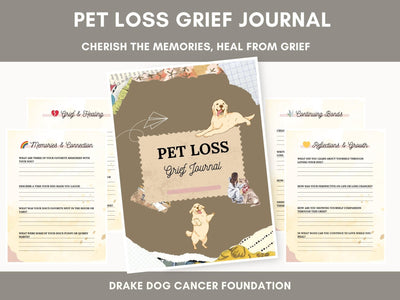
- Written remembrance: a letter to the dog or a journal entry
- Ritual walk: revisiting a favorite trail or park
If they like guided keepsakes, this post on creating a dog memory book for dog lovers can make the idea feel less overwhelming.
Memorials can support healing
This short video can help spark ideas for honoring a beloved dog in a way that fits the family.
A practical example: a family with children may each write one favorite memory and place it in a box with the dog’s tag. An adult living alone may prefer a quieter ritual, such as lighting a candle on the day of death each month for a while. A person coming through a long cancer journey may want to write down what the dog taught them about courage, patience, and love.
Be careful with timing
Do not push a memorial while the person is still in shock unless they bring it up first. Early on, even deciding what to do with a leash can feel impossible.
A gentle approach is: “Not for now, but later, if you want help creating something for [Dog’s Name], I’d be honored to help.”
That gives them a future option without pressure.
The best memorial suggestions do one thing well. They help the grieving person keep the dog present in a form they can live with.
6-Point Comparison: What to Say When a Dog Dies
| Approach | Implementation complexity | Resource requirements | Expected outcomes | Ideal use cases | Key advantages |
|---|---|---|---|---|---|
| Acknowledge that their grief is real and valid | Low-to-moderate (needs sincere empathy and timing) | Minimal (time, presence, emotional attunement) | Validation, reduced shame, stronger trust and safety | Immediate condolences; families with deep human-animal bonds (e.g., cancer caregivers) | Legitimizes feelings and prevents suppressed or complicated grief |
| Share a specific, positive memory of the dog | Moderate (requires recalling a genuine, detailed anecdote) | Low (memory, optionally a photo or video) | Personal comfort, affirmed legacy, sparks positive reflection | When you personally knew the dog or have media to share | Feels authentic and memorable; demonstrates you noticed the dog as an individual |
| Acknowledge the long goodbye of a cancer journey | Moderate-to-high (requires sensitivity and nuanced language) | Low (understanding of the illness timeline and caregiving context) | Reduces guilt, normalizes anticipatory grief and mixed emotions | Prolonged illness or intensive caregiving situations (dog cancer) | Validates complex grief and eases feelings of relief or guilt |
| Offer specific, practical help (don't say "let me know") | Moderate (needs logistical planning and follow-through) | Moderate (time, errands, meals, or other concrete supports) | Immediate relief from everyday burdens; reduces isolation | Immediate aftermath and first days/weeks after loss | Tangible support that is easy to accept and reduces decision fatigue |
| Focus on the quality of life you gave them | Low-to-moderate (must be sensitively framed) | Low (examples or observations about the dog's life) | Eases guilt, reframes the narrative toward love and care | After euthanasia or when owner feels guilt or doubts decisions | Honors caregiving choices and highlights the dog's meaningful life |
| Suggest a meaningful way to memorialize their dog | Moderate (timing and options must be appropriate) | Moderate (materials, time, possible costs, community input) | Provides purposeful outlet for grief and lasting legacy | Weeks after the loss, when the person is ready to memorialize | Channels grief into action and can create community or therapeutic meaning |
Your Presence Is the Most Powerful Message
There is no perfect sentence that makes the death of a beloved dog hurt less. That is not a failure of language. It is the nature of grief. When a dog has been woven into daily life, comfort, routine, identity, and home, the loss reaches into everything. People feel it in the quiet of the kitchen, the untouched leash by the door, the missing footsteps, the habit of looking toward a favorite sleeping spot.
That is why what to say when a dog dies matters. Not because words can fix it, but because words can either widen the loneliness or soften it. The most helpful phrases do not rush, compare, or explain away. They validate the bond. They name the dog. They recognize the shape of the loss. They offer concrete care. They make space for guilt, relief, heartbreak, gratitude, and exhaustion to exist together.
If the death followed cancer or another long illness, support has to be even more thoughtful. These losses often include a long goodbye, intense caregiving, and painful decisions that continue echoing after the dog is gone. People may question what they chose, when they chose it, and whether they missed something. They may feel grief and peace in the same breath. They may miss the dog and the caregiver role at once. Compassionate support recognizes all of that.
What usually helps most is not a perfect speech. It is steady presence. A text that says the dog’s name. A shared memory that makes the person cry and smile at the same time. A meal left at the door. A walk taken together in the hour that used to belong to the dog. A follow-up message when everyone else has gone quiet. Silence can also be loving, if it is shared rather than avoidant.
If you are uncertain, keep your message simple and sincere: “I loved [Dog’s Name] too.” “I see how much this hurts.” “You do not have to go through this alone.” “I’m here tomorrow too.”
Those are not dramatic lines. They are useful ones.
And if you are the one grieving, the same principle applies. You do not need to perform composure. You do not need to justify why this hurts so much. The bond was real. The grief is real. Your dog’s life mattered, and your love for them still does.
For some families, especially after canine cancer, extra support is not just helpful but necessary. Community, grief counseling, guided resources, and conversations with people who understand pet loss can make the road feel less isolating. Reaching for that support is not overreacting. It is caring for a real bereavement.
Do not let fear of saying the wrong thing stop you from reaching out to someone who is hurting. A caring, imperfect message is almost always better than silence. In the end, people remember that you showed up. They remember that you said their dog’s name. They remember that, in one of the hardest moments of their life, you treated their loss like it mattered.
If you or someone you love is facing the heartbreak of canine cancer or grieving the loss of a beloved dog, Drake Dog Cancer Foundation & Academy offers compassionate education, practical end-of-life resources, and a community that understands this grief. Explore support for pet parents, or learn more about professional training paths such as Pet Grief Counselor and Dog Cancer Coach certifications.


