





The moment the vet says the word "cancer," the room usually goes quiet. It feels like the air gets a little thinner, and suddenly, the million questions you thought you had just... vanish. We’ve been there. We know that ringing in your ears and that heavy weight in your chest. It’s the "What now?" phase, and it is arguably the hardest part of the entire journey.
At the Drake Dog Cancer Foundation, we believe that clarity is the best antidote to fear. When you’re facing a diagnosis like canine lymphoma, the sheer volume of information can feel like a tidal wave. You want to do right by your best friend, but you need a map.
That’s why we’ve put together this guide. We want to empower you to walk into that specialist’s office not just as a grieving pet parent, but as an active, informed partner in your dog’s care. These five questions are designed to cut through the noise and get you the science-backed, heart-centered answers you deserve.
We’re here for you. Let’s take this one step at a time.
1. What exactly is this cancer, and what is it doing to my dog’s body?
This might seem obvious, but "cancer" is a broad term. To make the best decisions, we need to get specific. If your dog has been diagnosed with canine lymphoma, you need to know the "who, what, and where" of the disease.
Ask your oncologist to explain the diagnosis in plain English. Is it B-cell or T-cell lymphoma? (This matters a lot for treatment). What is the "grade" and the "stage"?
- The Grade: This tells us how aggressive the cells look under a microscope. A high-grade cancer moves fast; a low-grade (indolent) one moves slower.
- The Stage: This tells us how far the cancer has spread through the body.
Understanding the "mechanics" of the disease helps you visualize what your pup is up against. It moves the enemy out of the shadows and into the light. When we know what we’re fighting, we can choose the right tools for the job.

2. What are our treatment options: and what are the real risks and benefits of each?
There is no one-size-fits-all answer to cancer. For some families, aggressive chemotherapy is the right path. For others, palliative care and dietary shifts are the focus. Your oncologist should present a "menu" of options, not just a single directive.
When discussing cancer treatment options, ask about the "Gold Standard" (usually the CHOP protocol for lymphoma) versus less intense "rescue" protocols or even steroid-only treatments.
For each option, ask:
- How often will we need to come in?
- What is the goal? (Is it a cure, or are we aiming for clinical remission?)
- What are the potential side effects for my specific dog?
We always suggest looking at the whole picture. Sometimes, a combination of traditional medicine and functional wellness can provide the best balance. We aren’t just treating a disease; we are caring for a living, breathing family member.
3. What is my dog’s prognosis with each option?
This is the hardest question to ask, and often the hardest one for an oncologist to answer. But it is essential. You need to know the dog lymphoma prognosis for the specific treatment path you choose.
Ask the "if/then" questions:
- "If we do the full chemotherapy protocol, what is the median survival time?"
- "If we choose to do nothing but keep them comfortable, how much time do we likely have?"
Remember, "median survival time" is just a statistic: it’s the middle of the pack. Some dogs do better, and some don't. But having these numbers helps you manage your expectations and plan your life. It allows you to create a "bucket list" and make sure every day counts. We’re in this to give them more good days, and knowing the timeline helps us prioritize the joy.

4. What will my dog’s quality of life be like during treatment?
In the human world, chemotherapy has a reputation for being brutal. In the veterinary world, the philosophy is different. Our goal is to maintain a high quality of life. We want your dog to still be a dog: to wag their tail, to enjoy their meals, and to bark at the mailman.
Ask your oncologist:
- Will my dog feel sick every day?
- How will we manage pain or nausea at home?
- Are there changes we should make to their environment or diet? (You might want to check out our thoughts on the kibble vs. raw debate for some context).
If a treatment plan is going to make your dog miserable for 90% of their remaining time, it might not be the right plan for you. And that’s okay. Honoring the bond you share means putting their comfort first. We advocate for "real help," which sometimes means choosing the path that preserves the most smiles and tail wags.
5. What are the total costs, and what happens next?
Let's be real: cancer treatment is a financial commitment. It’s okay: and actually very responsible: to talk about money. Ask for a printed estimate that includes:
- The cost of the drugs themselves.
- The cost of "re-staging" (blood work and scans to see if the treatment is working).
- The cost of managing potential side effects (like an emergency vet visit if they get a fever).
Before you leave the office, make sure you know exactly what the next step is. Do you need more tests, like a bone marrow aspirate or an ultrasound? What is the deadline for making a decision?
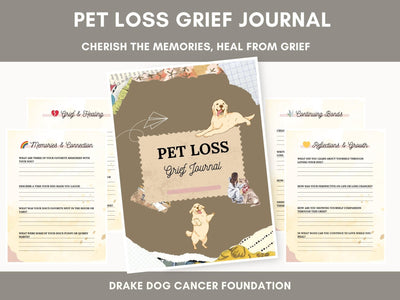
Having a plan in writing reduces that "scanxiety" and the feeling of being untethered. Many of our community members find that using a dog cancer journal is a lifesaver for keeping these details, costs, and schedules organized. It keeps all your notes in one place so you don't have to rely on your memory during a crisis.

Driven by Hope, Guided by Science
We know this is a lot to take in. Your head is likely spinning, and your heart is probably heavy. But by asking these questions, you are taking the lead. you are becoming the advocate your dog needs.
You don't have to make every decision today. Take the information home, sit on the floor with your pup, and listen to your gut. You know them better than anyone else in the world. The oncologist knows the science, but you know the soul.
We’ve walked this path, too. We know the fear of the unknown, but we also know the incredible strength that comes from a community that understands. Whether you are looking for more information on lymphoma or just need a place to feel seen, we are here.
A Reassuring Mantra for Today
I am doing my best. I am seeking the truth. I am my dog's hero.
If you need more help talking to your vet or navigating the specific clinical terms, lean on us. We have resources, research-driven tools, and a whole lot of love ready for you.
Because they aren't just pets. They’re family. And family doesn't fight alone.


