





You may be sitting on the floor next to your dog right now, staring at a pathology report you barely understand. Maybe your dog is acting almost normal, which makes the word cancer feel even harder to process. Maybe your mind keeps circling back to one question. How long do dogs live with cancer?
That question matters. But in the exam room, I often see another question appear a few minutes later. Will my dog still feel like my dog?
Both questions deserve honest answers. Survival time helps you plan. Quality of life helps you care. And in many families, the second question ends up guiding every important decision that follows.
A cancer diagnosis is not one single story. Some dogs have a short, intense illness. Some respond well to treatment and enjoy many good months. Some live with cancer as a managed condition for much longer than their family expected. What matters most is understanding your dog’s specific cancer, knowing what choices are available, and watching your dog’s comfort closely over time.
The Question Every Pet Parent Asks After a Diagnosis
A family brings in a dog who still wags at the door, still wants breakfast, still leans into every hand that reaches down to pet him. Then they hear the diagnosis, and the room changes. Someone asks, “How much time do we have?” Another person asks, “Is he suffering?” Both questions usually arrive before anyone has had time to breathe.
That reaction is normal.
When people search how long do dogs live with cancer, they are usually not looking for a statistic alone. They are trying to understand how quickly life might change. They want to know whether they still have time for neighborhood walks, favorite treats, one more beach trip, or a few ordinary mornings that suddenly feel precious.
What that question really means
In practice, “how long” often contains several smaller questions:
- Can my dog be treated: Is this something surgery, chemotherapy, radiation, or palliative care can help?
- Will treatment feel worth it: Will my dog still enjoy eating, resting, greeting us, and doing familiar things?
- How will I know when things are changing: What signs mean comfort is slipping?
- Am I allowed to choose comfort over maximum time: Yes. That can be a loving medical decision.
A simple example helps. One dog with cancer may have a treatment path that offers meaningful remission and many happy months. Another may have a very aggressive cancer where the best gift is pain control, rest, and a carefully protected routine at home. Both families are loving their dog well.
Key takeaway: The most helpful version of the question is not only “How long will my dog live?” It is also “How can I make that time feel safe, comfortable, and joyful?”
A better place to begin
If your dog was diagnosed this week, start with these immediate steps:
- Ask for the exact cancer type. “Cancer” is too broad to guide decisions.
- Write down your dog’s normal joys. Food, walks, toys, cuddling, car rides, porch naps.
- Track today’s baseline. Appetite, sleep, pain, mobility, bathroom habits, interest in family life.
- Bring one person to appointments or put them on speakerphone. It is hard to remember details when you are upset.
That shift matters. It turns fear into observation. It gives you a way to protect what your dog values now, not just what a chart predicts.
Understanding Canine Cancer Survival Rates by Type
A family hears “cancer,” opens three browser tabs, and finds three different survival estimates. That is often the moment panic spikes. The numbers feel concrete, but they are only a starting point.
A survival statistic is a group average. Your dog is an individual patient with a specific cancer type, stage, treatment plan, and day-to-day level of comfort. That is why this section matters most when you use it for planning good days, not for predicting an exact date.

The numbers most families ask about first
Some cancers respond well enough to treatment that dogs gain meaningful time with a good appetite, interest in family life, and a return to familiar routines. Others stay aggressive even with treatment, which changes the goal from trying to extend life as much as possible to protecting comfort and function.
Lymphoma shows how much treatment choice can affect expected survival. According to ImpriMed’s overview of canine lymphoma survival time, dogs typically live 4 to 6 weeks without treatment, 2 to 3 months with prednisone alone, and 10 to 14 months with a CHOP chemotherapy protocol. The same overview reports that about 80% of dogs achieve remission with CHOP.
Osteosarcoma and hemangiosarcoma often behave more aggressively. Survival can still improve with treatment, but families usually need to weigh that added time against pain control, recovery demands, and how their dog handles medical visits. If your dog has just been diagnosed and you need a plain-language overview of different diagnoses, this guide to types of cancer in dogs can help you place the name of the cancer in context.
Typical survival times for common canine cancers
| Cancer Type | Median Survival (Palliative/No Treatment) | Median Survival (With Standard Treatment) |
|---|---|---|
| Lymphoma | 4 to 6 weeks without treatment. 2 to 3 months with prednisone, according to ImpriMed | 10 to 14 months with CHOP chemotherapy, according to ImpriMed |
| Osteosarcoma | Often short without treatment. Palliative care may offer additional comfort time, as noted earlier | Surgery and chemotherapy may extend survival, as noted earlier |
| Hemangiosarcoma | Prognosis is often poor with limited intervention | Surgery and chemotherapy may extend survival, as noted earlier |
Why these ranges confuse people
The word median causes a lot of misunderstanding. Median survival does not mean “this is how long your dog has left.” It means half of dogs in that group lived longer than that point, and half lived less time.
Study populations also differ. One report may include dogs diagnosed early. Another may include dogs with more advanced disease. Some dogs receive full treatment. Some stop early because side effects, cost, travel, or quality of life concerns change the plan.
Then there is the part no chart shows well. Dogs do not decline in a straight line. One dog may enjoy months of fairly normal life, then worsen quickly over a few days. Another may have a shorter overall course but stay bright and comfortable for much of it. For many families, that difference matters more than the number itself.
Helpful question for your veterinarian: “For dogs like mine, how much of this time is usually comfortable time?”
What to do with these numbers
Use survival ranges to make decisions early enough to help your dog.
They can guide you on:
- how quickly to book an oncology or surgery consultation
- whether pain relief needs to start now
- whether a treatment plan matches your dog’s personality and stress level
- what milestones you want to protect, such as meals, walks, sleep, mobility, and family interaction
This shift is powerful. Instead of asking only how long your dog may live, you begin asking what kind of days are still possible and how to protect them. That is often the most loving way to use prognosis.
Factors That Influence Your Dog's Prognosis
Two dogs can have the same cancer name and very different outcomes. That surprises many families. They hear a statistic, then assume it applies directly to their dog. It rarely works that neatly.

The cancer itself matters most
A prognosis depends heavily on type, grade, and stage.
- Type means what kind of cancer it is.
- Grade describes how aggressive the cancer cells look under the microscope.
- Stage describes how far the disease has spread in the body.
These are not small details. They shape the medical reality. A low-grade cancer may move slowly. A high-grade cancer can behave much more aggressively.
For example, factors like breed, age, and overall health can shift prognosis significantly. Some low-grade lymphomas allow dogs to live for years, while high-grade cases average 6 to 9 months. The same source also notes that some early-stage melanomas can have survival times exceeding 18 months when found early, and that reducing risk factors such as spaying can influence future cancer risk according to Hill’s regional article on canine cancer survival and prognosis factors.
If your veterinarian mentions stage and you are unsure what that means, this overview of cancer staging in dogs can make the terminology easier to follow.
Your dog’s body matters too
The cancer is only part of the picture. Your dog is the other part.
A younger dog in strong overall condition may tolerate treatment better. A senior dog with arthritis, heart disease, or kidney concerns may have a narrower treatment window, even if the cancer itself is treatable.
Breed can matter as well. Some breeds are overrepresented in cancer populations. That does not determine your dog’s future, but it can influence what your veterinary team considers likely.
Questions that lead to a more personal prognosis
Bring these to your next appointment:
- What is the confirmed diagnosis Ask for the exact cancer name, not just “tumor” or “mass.”
- Do we know the grade If not, ask whether a biopsy or pathology report can answer that.
- Has staging been done Imaging and other tests can show whether cancer appears localized or more widespread.
- Is my dog healthy enough for treatment This matters as much as the diagnosis itself.
- What signs would tell us the prognosis is changing Ask what decline looks like for this particular cancer.
Key takeaway: The right question is not “What is the average?” It is “What about my dog shifts the average up or down?”
A real-life way to think about it
Consider two dogs with the same diagnosis of lymphoma. One is younger, still eating well, and diagnosed before symptoms become severe. The other is older, already weak, and dealing with other medical issues. Even before treatment is discussed, those dogs may face very different roads.
That is why your veterinarian may seem cautious when you ask for one exact number. They are not hiding information. They are trying to be honest about uncertainty.
How Treatment Choices Affect Your Dog's Lifespan
A treatment plan changes more than a number on a prognosis sheet. It changes what your dog’s weeks feel like. How often you are driving to appointments. How much time your dog spends resting comfortably at home versus recovering, traveling, or being monitored.
That is why treatment decisions are really two decisions at once. You are choosing how to address the cancer, and you are choosing what kind of time your dog is likely to have.
Start with the goal, not the treatment name
“Surgery,” “chemotherapy,” and “radiation” can sound like fixed paths. They are not. Each can be used with a different goal.
Sometimes the goal is to remove or control disease for as long as possible. Sometimes it is to reduce pain, bleeding, nausea, or pressure from a tumor. Sometimes it is to gain a meaningful stretch of good days, even if the cancer is not curable.
A helpful way to sort through options is to ask your veterinary team:
- Is this treatment meant to cure, control, or comfort
- How likely is it to help my dog feel better
- What will an ordinary week look like during treatment
- What signs would tell us this plan is helping, or not helping
Those questions keep the focus where it belongs. On your dog’s lived experience.
If you want a clear overview before your next appointment, this guide to breaking down dog cancer treatments explains how surgery, chemotherapy, radiation, and supportive care differ in plain language.
Different treatments change time in different ways
Chemotherapy
For some cancers, chemotherapy can create remission or slow progression. In veterinary medicine, the aim is often more practical than people expect. We usually try to preserve comfort and function, not push dogs to tolerate severe side effects at any cost.
For many families, the central question is not “Will chemo add time?” It is “Will that added time still feel like my dog’s life?” If your dog still enjoys meals, walks, family routines, and rest, chemotherapy may support that. If clinic visits cause major stress or side effects outweigh the benefit, the plan may need adjusting.
Surgery
Surgery can be the clearest route when a tumor is localized, painful, bleeding, or physically interfering with daily life. Removing the problem can sometimes give both longer life and better comfort.
But surgery also has a recovery period. That matters. A procedure that looks strong on paper may be the wrong fit for an older dog with limited mobility, heart disease, or intense anxiety around hospitalization. The better question is whether surgery gives your dog more good days than hard ones.
Radiation
Radiation is often less about “more time at any cost” and more about local control. It may shrink a tumor, reduce pain, or help when full surgical removal is not realistic.
For some dogs, that can mean easier eating, walking, breathing, or sleeping. Those day-to-day wins matter as much as the calendar.
Palliative care
Palliative care is active treatment focused on comfort. It can include pain control, anti-nausea medication, appetite support, wound care, mobility help, and changes at home that lower stress.
This path can be thoughtful medicine. For a dog with advanced disease, a shorter timeline filled with appetite, family connection, and peaceful rest may be the better outcome. Many pet parents discover that quality time is not a consolation prize. It is the goal.
The same diagnosis can lead to very different choices
Consider a dog with a painful bone tumor. One family may choose surgery and follow-up treatment because their dog is otherwise strong, adaptable, and comfortable with medical care. Another family may choose palliative pain management because their dog is frail, panics at the clinic, or values quiet routines at home above all else.
Both families are making medical decisions. Both are acting out of love.
What shapes lifespan is not only the cancer. It is also whether a treatment is effective, whether the dog can tolerate it, and whether the family continues because the dog is still having good days. In real life, those pieces are connected.
Tip: Ask your veterinarian to lay out each option in two columns. One for possible medical benefit. One for the effect on your dog’s daily comfort, energy, appetite, mobility, and stress.
The best treatment choice is the one that helps your dog live as well as possible for as long as possible. Sometimes that means pursuing cancer therapy. Sometimes it means controlling symptoms carefully and protecting the routines your dog loves.
Measuring What Matters Most With Quality of Life Tools
Many survival statistics leave out an important truth. A large number of canine cancer journeys end not with natural death, but with a family making a careful euthanasia decision based on suffering, comfort, and daily function.
That means quality of life is not a side topic. It is central.

Many reported survival statistics are shaped by owner decisions about quality of life. This detail is often missed, even though tools such as the Joys of Life Scale can help families track well-being before end-stage signs like lethargy and appetite loss become overwhelming, as discussed in Riverside Veterinary Center’s article on a dog cancer diagnosis and quality of life.
Why families need an objective tool
Cancer changes slowly, then suddenly. That makes memory unreliable.
A dog who was bright and eager last month may now be eating less, pacing at night, or struggling to get comfortable. Because the change happens day by day, many families do not realize how much has shifted until they look back.
A simple quality of life tool creates structure. It helps you stop guessing.
One helpful support topic to review alongside this is palliative care for dogs with cancer, because symptom relief and quality tracking work best together.
What to track every week
Use a notebook, shared phone note, printed checklist, or calendar. Pick one day each week and score the same areas.
Focus on things you can observe:
- Appetite: Is your dog eager to eat, reluctant, or refusing food?
- Comfort: Can your dog rest, breathe easily, and settle without distress?
- Mobility: Is getting up, walking, or using stairs becoming harder?
- Hygiene: Can your dog stay clean and toilet comfortably?
- Connection: Does your dog still seek family, toys, treats, or favorite routines?
- Recovery from bad days: After a rough day, does your dog bounce back?
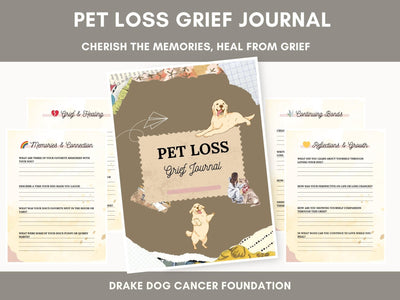
Try one practical habit. At the end of each day, write one sentence that begins, “Today my dog enjoyed…” If you struggle to finish that sentence for several days in a row, that matters.
Key takeaway: Quality of life tools do not tell you what decision to make. They help you see the pattern clearly enough to make the decision with confidence.
Use a Joys of Life list, not only a symptom list
Symptoms matter, but joys matter too.
Make a short personal list for your dog:
- Greets me at the door
- Wants breakfast
- Enjoys sniffing outside
- Settles comfortably after a walk
- Watches the family in the kitchen
If your dog still does most of those things, that tells you something important. If those joys begin dropping away, that tells you something too.
This short video may help you think through how to evaluate comfort and day-to-day well-being.
A weekly check-in routine that works
Choose a time when life is quiet, such as Sunday evening.
Then do this:
- Look back at the week, not just the best day.
- Compare this week with the last two weeks.
- Write down one concern to discuss with your vet.
- Note one thing that improved comfort.
- Decide whether home care needs adjusting now, not later.
Families often feel guilty using a checklist, as if love should be enough. Love is the reason to use one. A record protects your dog from decisions based only on fear, denial, or one unusually good afternoon.
Real Stories of Dogs Living With Cancer
Statistics become easier to understand when you can picture real life around them. The following examples are not presented as research case studies. They are realistic teaching stories based on patterns veterinary teams commonly see.
The retriever whose family chose treatment
Bailey, a middle-aged Golden Retriever, was diagnosed with lymphoma after his family noticed enlarged lymph nodes while petting him. He still wanted meals, still carried socks through the house, and still leaned happily into visitors.
His family chose chemotherapy because their main goal was to preserve that engaged, social version of Bailey for as long as possible. They kept a notebook on the kitchen counter and tracked appetite, energy, sleep, and enthusiasm for walks. On treatment weeks, they simplified the rest of life. Fewer errands. More quiet evenings. More normal routines.
The most important lesson from Bailey’s story was not the exact timeline. It was that treatment only felt worthwhile because he kept enjoying his days. The family did not count months first. They counted tail wags, meals finished, and mornings when he trotted to the door.
The older dog with a slower cancer
Milo, a senior mixed-breed dog, had a low-grade cancer that behaved much more slowly than his family feared. When they first heard the diagnosis, they assumed they had very little time. Instead, the veterinary team helped them understand that not every cancer moves at the same speed.
Milo’s care plan was modest. His family stayed observant, kept follow-up appointments, and watched for meaningful changes rather than living in constant crisis mode. They adjusted his bedding, made food easier to eat, and cut back on activities that left him sore.
For them, the turning point came when they stopped asking, “Is this the beginning of the end?” and started asking, “What makes today easier for Milo?” That shift brought calm back into the home.
Tip: A dog can have cancer and still have a routine worth protecting. Keep favorite rituals whenever possible.
The boxer whose family chose palliation
Ruby, a Boxer, developed an aggressive cancer with a poor outlook. Her family met with their veterinary team and understood that intensive treatment was unlikely to give the kind of life they wanted for her. They chose palliative care.
That decision hurt. It also gave them direction.
They built Ruby’s last stretch of life around comfort. Soft places to rest. Short outdoor sniff breaks instead of long walks. Favorite foods when appetite dipped. Photo-filled weekends with the people she loved. A shared family note where everyone recorded signs of pain, ease, and enjoyment.
Because they were tracking quality of life carefully, her family recognized when the balance shifted. They did not wait for a crisis. They made a calm, planned decision before suffering became overwhelming.
Ruby’s story shows something many people need permission to hear. Choosing comfort is not giving up. It is choosing the goal that fits the dog in front of you.
What these stories have in common
These dogs had different cancers and different paths, but their families all did three things well:
- They learned the specifics of the diagnosis.
- They matched treatment decisions to the dog’s personality and comfort.
- They paid attention to lived experience, not just the calendar.
That is why the answer to how long do dogs live with cancer is never only about time. It is also about how thoughtfully that time is held.
Your Compassionate Action Plan for What Comes Next
When your dog has cancer, too much information can feel as hard as too little. A short plan helps.
Start with the next appointment. Bring a written list, because memory is unreliable when emotions are high.
Five questions to ask your veterinary team
- What exactly is the diagnosis Ask for the cancer type, and whether grade and stage are known.
- What is the goal of treatment Cure is different from remission, control, or comfort.
- What will daily life look like on this plan Ask about appetite, mobility, clinic visits, and home care.
- What signs mean my dog is declining Get specific signs to watch for at home.
- When should we reconsider the plan Good care includes knowing when a treatment path no longer fits.

What to do at home this week
Keep this simple.
- Create a baseline today: Record appetite, energy, sleep, mobility, bathroom habits, and favorite activities.
- Make one comfort upgrade: Add a non-slip rug, raise food bowls if needed, or create a quiet resting space.
- Start a Joys of Life list: Write down the small things that make your dog feel like themselves.
- Plan support before you need it: Decide who can help with appointments, medications, and difficult conversations.
Key takeaway: Your job is not to predict every moment ahead. Your job is to notice, respond, and protect your dog’s comfort with clarity and love.
Hold onto this perspective
Some dogs live a shorter time than their families hoped. Some live longer than expected. The most faithful thing you can do is stop treating time as the only outcome that matters.
A good plan does not erase sadness. It does make the road more navigable.
You do not need to know everything today. You only need the next question, the next observation, and the next loving step.
If you need compassionate education, practical quality-of-life tools, and a supportive community, visit Drake Dog Cancer Foundation & Academy. Their resources can help you track your dog’s well-being, understand care options, and make informed decisions rooted in comfort, hope, and love.


