





Receiving a brain cancer diagnosis for your beloved dog is a moment that stops time. The world feels smaller, quieter, and infinitely more fragile. If you are here, reading this, your heart is likely heavy with a thousand questions and a single, crushing fear: What happens now?
First, take a deep breath. We are here for you. At the Drake Dog Cancer Foundation, we’ve walked this path alongside countless families. We know the weight of the "neuro-dog" journey: the confusion of behavioral changes, the suddenness of seizures, and the overwhelming desire to protect the spark that makes your dog who they are.
When a brain tumor is inoperable or advanced, our focus shifts. We move away from the "war" on cancer and toward a mission of "empathetic partnership." We prioritize comfort over quantity. We choose a high quality of life today over a long, difficult tomorrow. This is called palliative care, and it is one of the greatest acts of love you can offer.
The Shift: Choosing Comfort and Quality
Palliative care isn't about giving up; it’s about stepping up in a different way. It’s a research-driven, compassionate strategy designed to minimize symptoms and maximize joy. For a dog with a brain tumor, the goal is to keep them "them" for as long as possible.
We focus on three main pillars: reducing brain pressure, managing neurological "storms" (seizures), and creating a home environment that feels safe and predictable. By balancing clinical evidence with heartfelt care, we can navigate this journey together.
Managing the Pressure: The Role of Steroids
The most common symptom of a brain tumor isn't actually the tumor itself: it’s the inflammation it causes. As a tumor grows, it takes up space in the fixed "box" of the skull, leading to brain swelling, or edema. This pressure is what causes disorientation, head-pressing, and circling.
Prednisone (or Prednisolone) is often the first line of defense in palliative care. While it doesn’t usually shrink the tumor, it is incredibly effective at reducing that life-altering swelling.
- How it helps: Most families see a "rebound" effect within 24 to 48 hours of starting steroids. Your dog may suddenly seem more alert, more stable, and more like their old self.
- The Tapering Dance: Your veterinarian will likely start with a higher dose (often around 1 mg/kg) and then slowly "taper" down to the lowest effective dose.
- Managing Side Effects: Steroids come with a trade-off. You’ll notice increased thirst, frequent urination, and a voracious appetite. We call these the "three Ps" (Panting, Polydipsia, Polyuria). It can be frustrating to manage, but remember: these side effects are often a small price to pay for a dog who is no longer in pain or confused.

Quietening the Storm: Seizure Management
For many "neuro-dogs," seizures are the most frightening part of the diagnosis. They feel like a sudden loss of control for both you and your pet. However, with modern veterinary medicine, we have tools to quiet these storms.
If your dog has experienced a seizure, your vet will likely discuss maintenance medications. In 2026, we have moved toward options with fewer sedative side effects:
- Levetiracetam (Keppra): Often given every 8 to 12 hours. It’s fast-acting and generally very well-tolerated.
- Zonisamide: A twice-daily medication that is excellent for long-term control.
We’re here for you during these moments. Keeping a "seizure log" is a practical way to regain a sense of agency. Note the date, the duration, and what the recovery (the "post-ictal" phase) looked like. This data helps your medical team adjust doses to keep your dog stable.
Tip: Always ask your vet for an "emergency kit": medication like rectal or intranasal diazepam that you can use at home if a seizure lasts longer than three minutes.
Creating a Safe Haven at Home
A dog with neurological challenges perceives the world differently. Their balance might be off, or their "map" of the house might feel fuzzy. You can honor their bond by making small, evidence-based changes to your home.
- Non-Slip Flooring: Rugs and yoga mats are a neuro-dog’s best friend. Slipping on hardwood can cause panic and physical strain.
- Lighting: Brain tumors can affect vision. Leaving a night light on near their bed and water bowl can prevent "sundowning" or midnight confusion.
- Consistency: Keep furniture where it is. A predictable environment reduces the cognitive load on your dog's brain.

The Compassionate Compass: The "Joys of Life" Scale
How do you know when it’s "time"? This is the question that haunts every pet parent. In the fog of grief, it’s hard to be objective. That’s why we provide the Joys of Life Scale: a structured, love-led tool to help you track the reality of your dog’s days.
Instead of looking at the big picture every single second, we break it down into seven key categories (often referred to as the HHHHHMM scale):
- Hurt: Is their pain controlled?
- Hunger: Are they still finding joy in meals?
- Hydration: Can they maintain their fluid intake?
- Hygiene: Are they able to stay clean and go outside?
- Happiness: Do they still wag their tail or seek out your touch?
- Mobility: Can they move safely?
- More Good Days Than Bad: This is the ultimate metric.

Using our Quality of Life Assessment Printable allows you to move from a place of "guessing" to a place of "knowing." It takes the burden of the "final decision" off your shoulders and puts the focus back on your dog's actual experience. If the "bad" days begin to outnumber the "good" ones, it isn't a failure: it’s a sign that it’s time to help them find peace.
Supplements and Holistic Support
While drugs like prednisone do the heavy lifting, many families find peace of mind in adding vetted, natural support. We believe in "science-led holistic care." For example, Mushroom Immune Gold can support overall systemic health without interfering with palliative medications. You can explore more vetted natural resources in our shop to find tools that align with your dog's specific needs.
Honoring the Bond
In the end, your dog doesn't know they have a diagnosis. They don't worry about next month or next week. They only know that today, they are warm, they are fed, and they are loved by you.
Palliative care is a promise to your dog that you will be their eyes when things get blurry and their strength when they feel weak. It is a journey of "real help rooted in compassion."
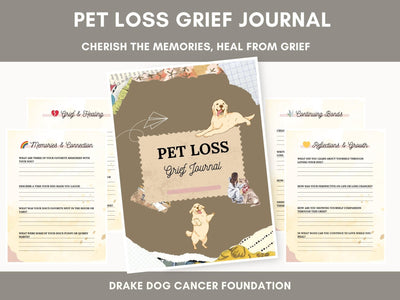
If you’re feeling lost, remember: you don’t have to search the entire internet for answers. We’ve gathered everything you need: from educational eBooks to low-cost digital journals: to ensure you can spend less time scrolling and more time snuggling.
We’re here for you. Every step of the way.


